

Every vehicle counted — by type, direction and hour
RVC.DIGITAL counts the vehicles that pass a site — cars, motorcycles, trucks and buses, by direction and by hour — alongside pedestrians and cyclists. For a roadside billboard, that is its real audience. For a city or a retail park, it is a traffic count without loops or clipboards. No plates read, nothing recorded.
What you get
Roadside audience for your site.
Vehicles heading towards the face, by type and hour — the figure an advertiser can be charged for — plus pedestrians and cyclists from the same camera.
Traffic counts without infrastructure.
Direction and vehicle-mix counts from a camera on a pole or an existing stream — for a week, a season or for good. No cutting the road, no manual counts.
Patterns you can plan on.
Peak hours, weekday and weekend profiles, truck share, inbound/outbound balance — per site, comparable across sites, exportable.
What we measure at a site
Every vehicle is tracked only while it is in view and counted once; no number plate is read, no image is stored. Privacy & compliance →
- Vehicle count by type — car, motorcycle, truck, bus
- Direction of travel (towards / away, in / out)
- Traffic flow over time — hourly and daily profiles
- Pedestrians and cyclists in the same view
- Combined roadside audience for an advertising face
- Any date range, site-to-site comparison
- CSV export, API, webhook
- Traffic flow state — free-flowing, slow or congested — on request, typically used to trigger content on roadside screens.
Where it is used
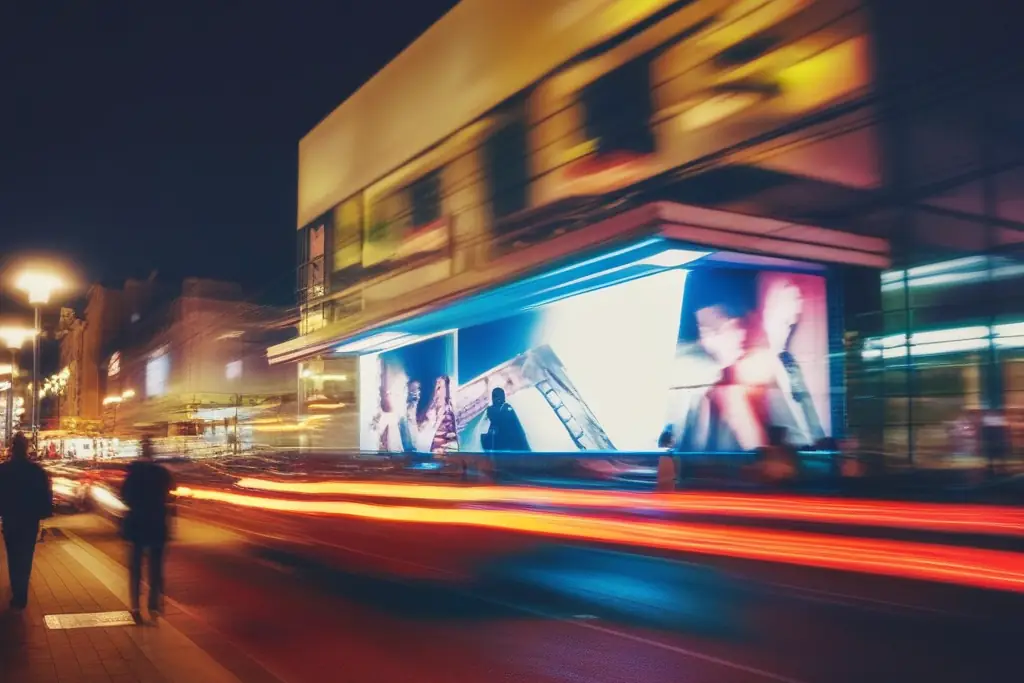
Roadside billboards and highway DOOH
The audience that actually drives past the face, by direction. Combine with pedestrian measurement for a complete site figure.
OOH audience measurement →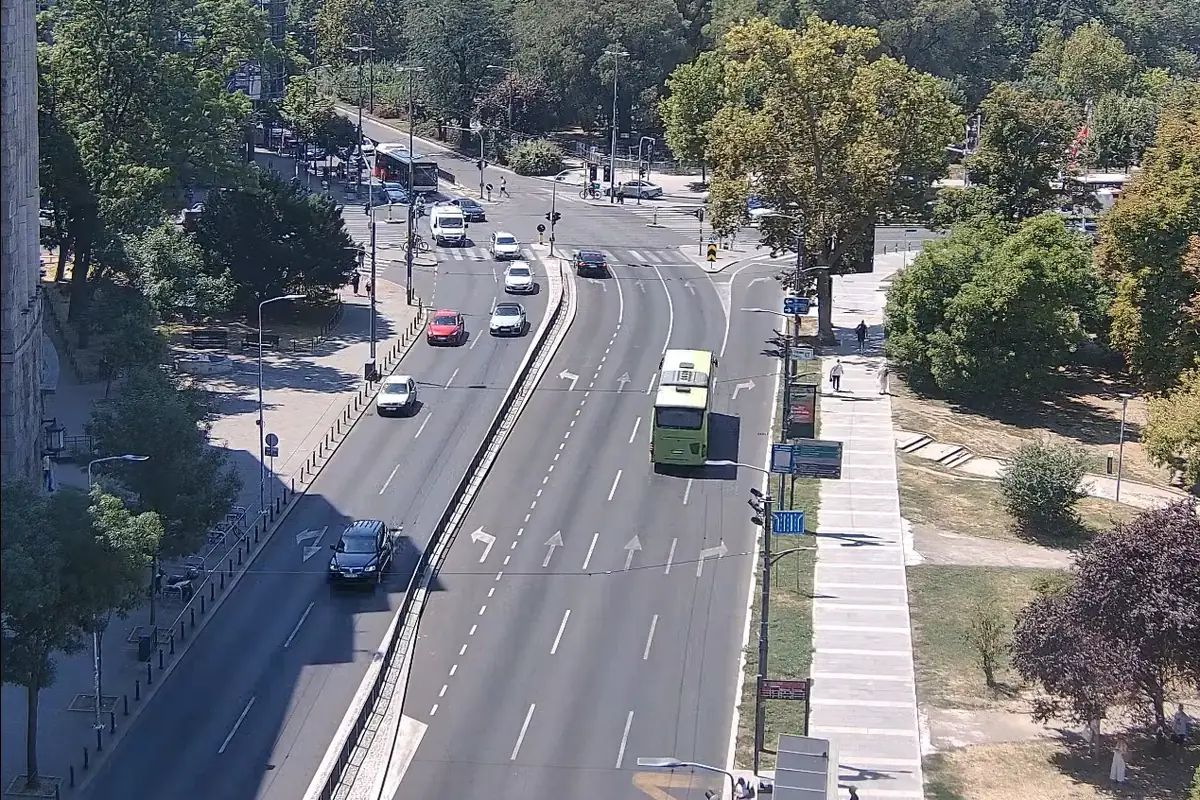
Cities and road authorities
Temporary or permanent counting points: direction, vehicle mix, peak profiles, before/after a change.
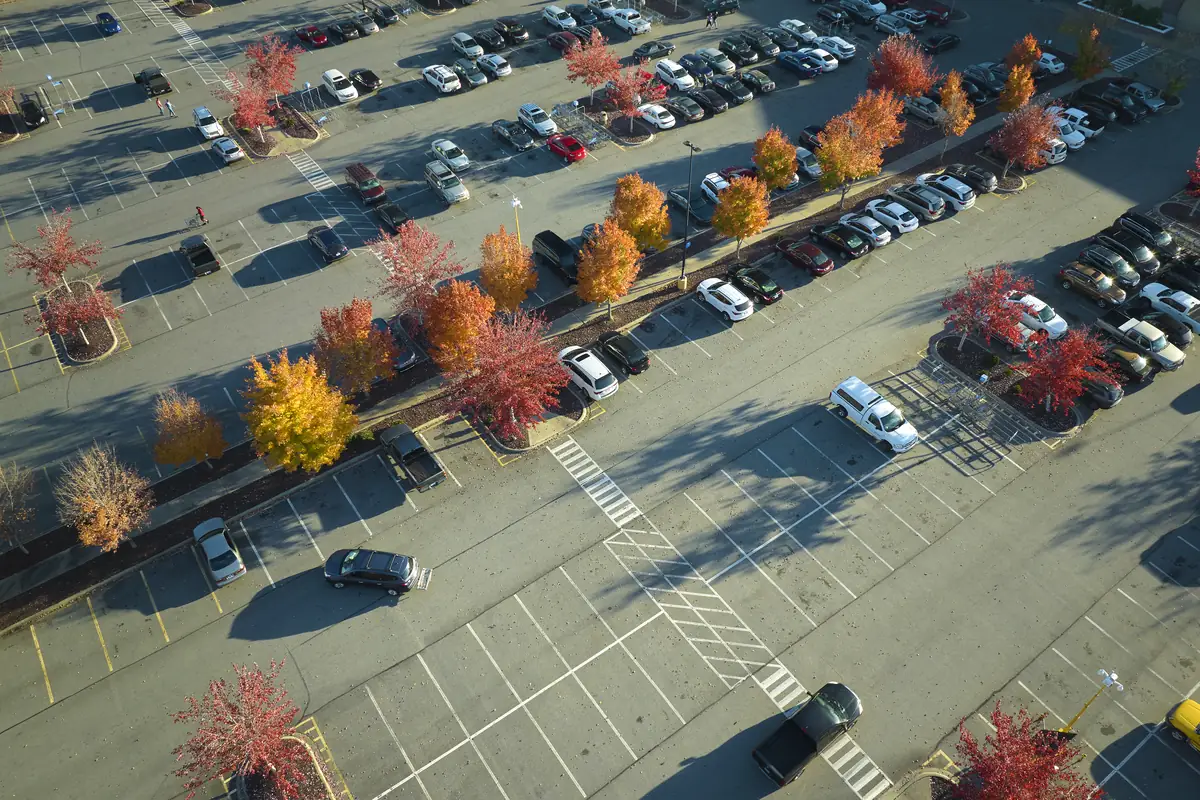
Retail parks, malls, fuel stations, car parks
Inbound and outbound traffic by hour; what share arrives by car, and when.
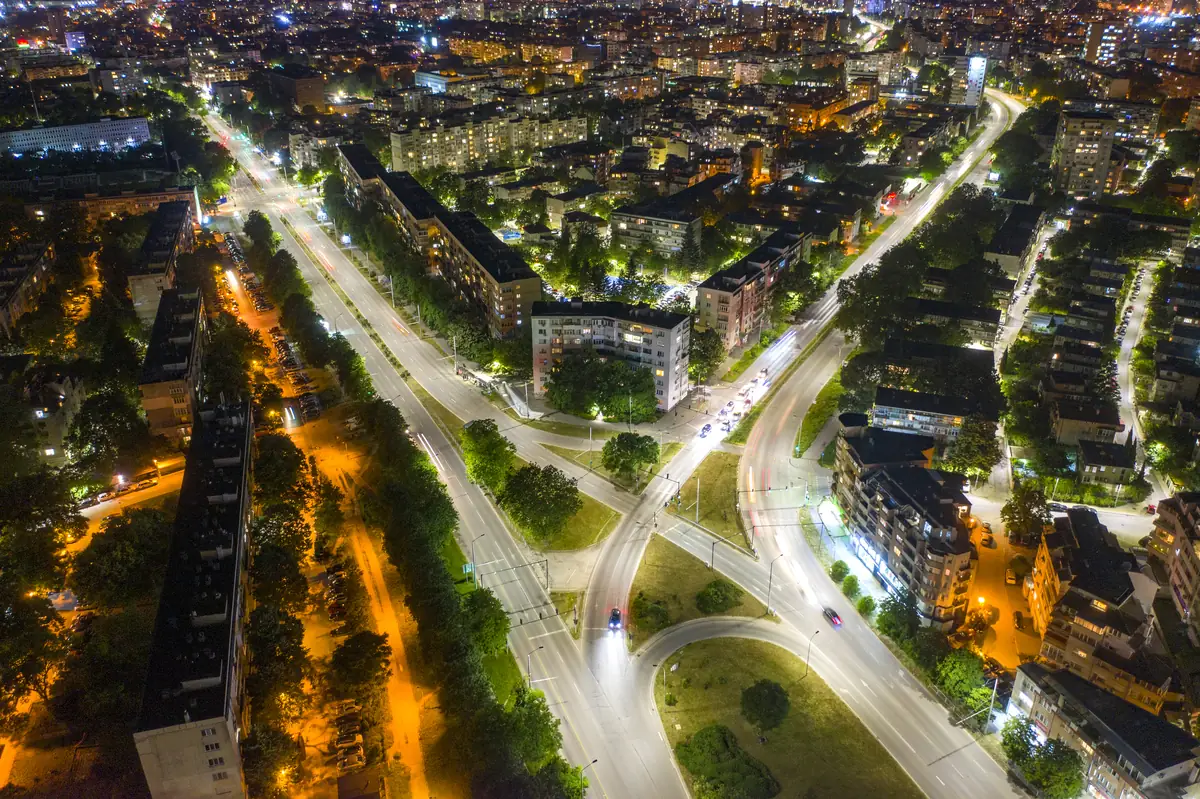
Smart-city and integrator projects
A measurement layer on an existing camera network via RTSP, delivered as a container for your own hardware.
Platform →How it works
Built for the roadside
Day and night
Continuous measurement across the full daily cycle.
Its own connection
Own 4G link — no dependency on the site's network.
Existing cameras welcome
RTSP stream; we check the view in the pilot.
Linux, Windows or Android
A device or a container.
Built by a software company, adapted to your site
RVC.DIGITAL is a product, not a project — but it was built by a team that has written enterprise software for 25 years. A vehicle-brand breakdown for a premium site, weather-dependent reach, a count rule written for your junction, a traffic-flow signal that switches a roadside screen's content when traffic slows, a feed into your traffic or sales system — custom metrics and integrations are built into your deployment. Tell us what you need to measure.
Vehicles are counted, never identified
Proof from real sites
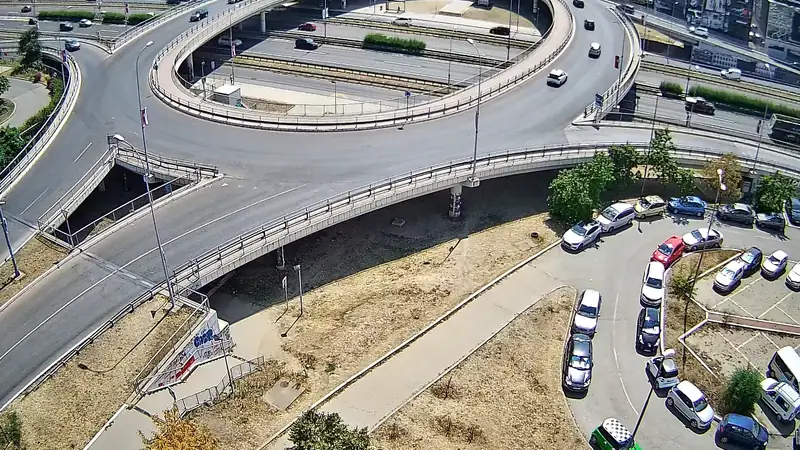
Vehicle measurement at roadside billboards in Belgrade
Our distributor Lunatronik measures the traffic at roadside billboards and junctions in Belgrade with RVC.DIGITAL: every passing vehicle counted by type and direction, hour by hour. In continuous operation for months — no plates read, nothing recorded.
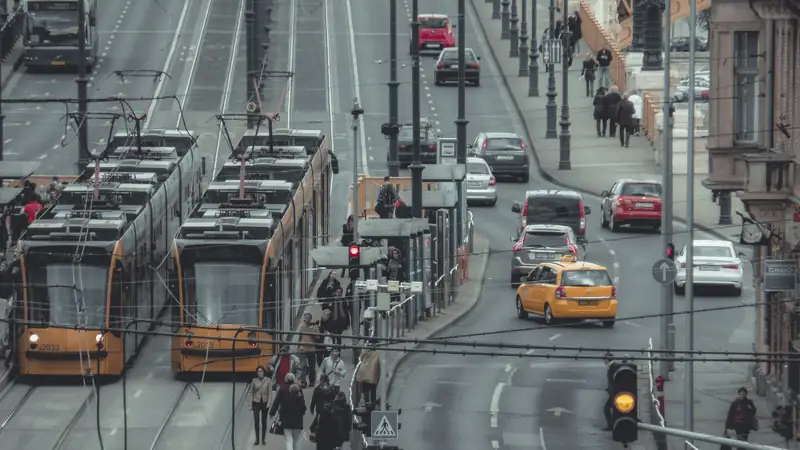
Campaign measurement at Budapest's busiest tram stops
One-month campaign measurements on citylights where pedestrian volume can exceed tens of thousands a day.
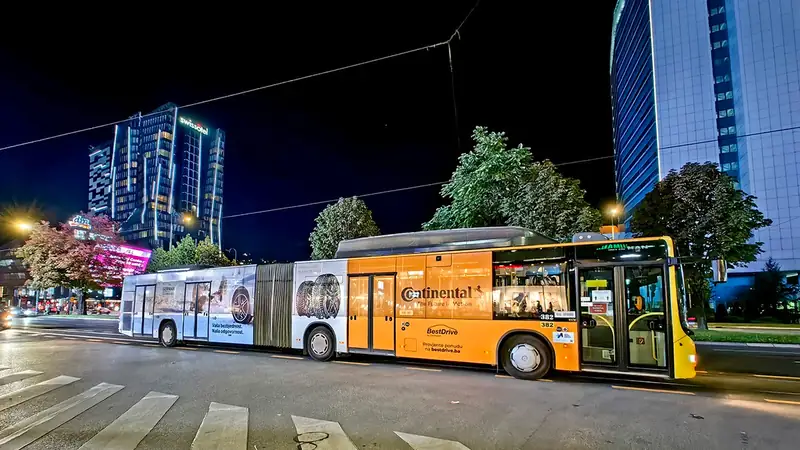
Bus advertising, measured route by route in Banja Luka
A brand campaign on a city bus line, measured for its whole run: how many people each route passed and reached, how often, the age and gender mix, and a GPS heatmap of where the audience was.
Start with a pilot, not a contract
A pilot runs on one to five sites for two to four weeks — a billboard, a junction, a car-park entrance. We agree the camera position and the measurement area with you, install a pre-configured device or connect your existing camera, and close with a report: counts by type, direction and hour. You decide what comes next.
Traffic and vehicle analytics are delivered as individually scoped projects, priced per deployment — the pilot is where we define the scope together.