Situation
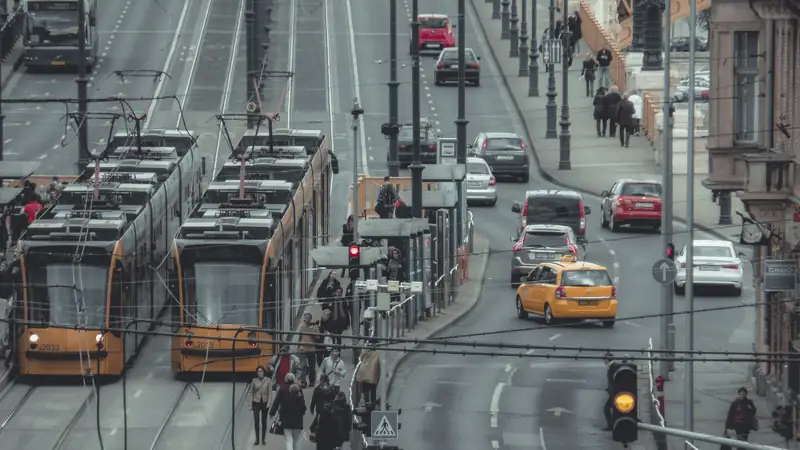
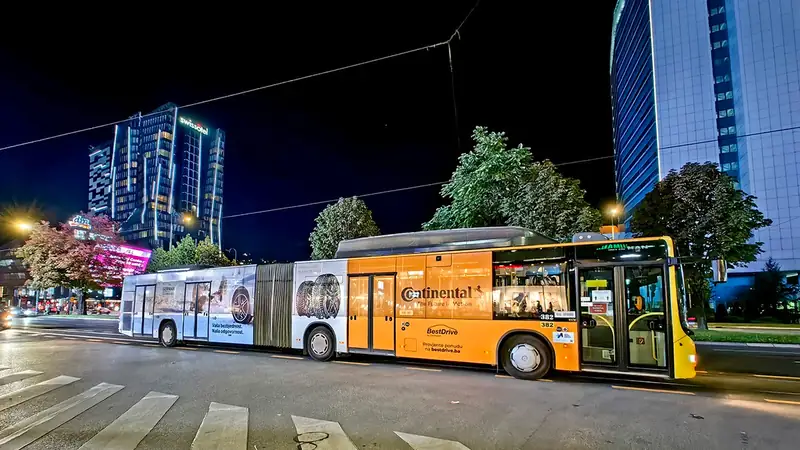
A roadside billboard is sold on the traffic that passes it. That figure usually comes from a traffic model or an occasional manual count: an average for the road, not the audience of the face. In Belgrade, our distributor Lunatronik measures it instead — how many vehicles actually pass each site, of which type, in which direction and at what hour.
Setup
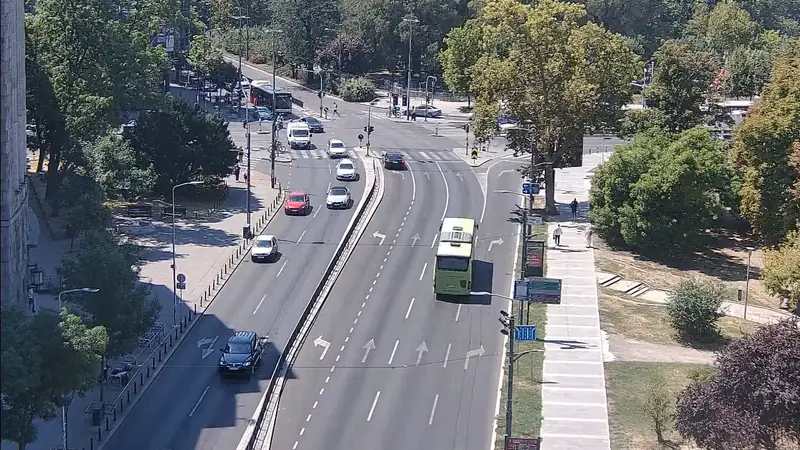
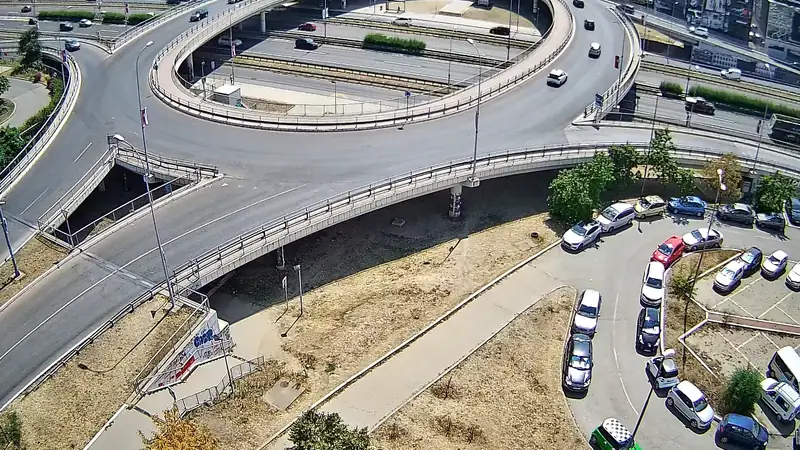
Lunatronik installed RVC.DIGITAL at roadside billboards and junctions in the city, starting with a first group of sites. Each site has a camera with a view of the road section and a small device that does the analysis on the spot. The measurement area and the directions are set once on the camera view. From then on, each vehicle is followed only while it is in view, classified by type and counted once. The sites have been measuring continuously for several months.
What was measured
- Vehicle count by type — car, motorcycle, truck, bus
- Direction of travel — so the audience of a face includes only the vehicles heading towards it
- Hourly and daily profiles — peak hours, weekdays and weekends
- Site-to-site comparison, for any date range
Privacy
Vehicles are counted, never identified. No number plate is read — in no configuration — and no image is stored: the analysis happens on the device, and what leaves it is numbers. An independent data protection impact assessment (November 2024) found the system outside the scope of the GDPR. Privacy & compliance →