Situation
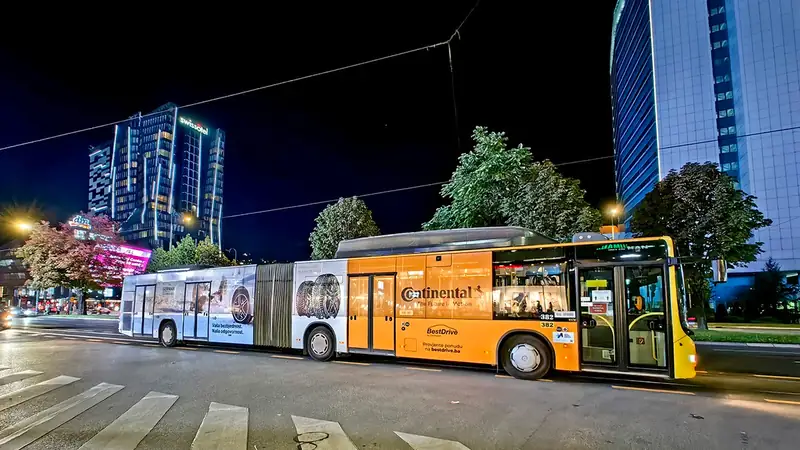
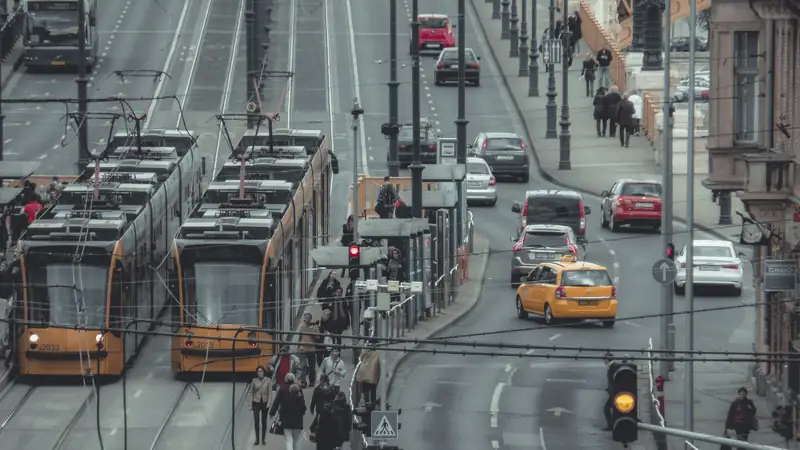
A citylight at a tram stop is one of the most-passed advertising faces in a city. How many of the people passing actually look at it was, for a long time, an assumption. For campaigns on citylights at Budapest's busiest tram stops, RVC.DIGITAL measured the audience for the length of each campaign — one month at a time, day and night.
Setup
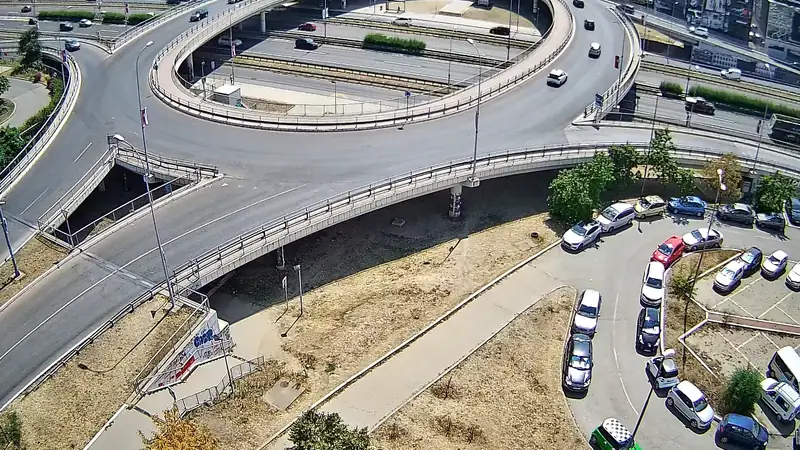
Each measured citylight has a small device and a camera. The camera position follows the site: the geometry of the stop, the structure of the citylight and the way people walk past it. Lenses of different focal length cover both the platform and the opposite side of the street, so no relevant traffic is missed. All analysis happens on the device.
What was measured
- Passers-by — how many people passed the face
- Impressions — how many turned towards it
- Attention — how many looked longer than a set threshold
- Average dwell and watch time — time near the face, and time spent looking at it
- Age group and gender — aggregated
Every figure is available by day and by hour for the campaign period.
What a campaign measurement shows
A month of measurement shows when a face reaches the most people, how much of the passing crowd looks at it, and who that audience is. The advertiser sees what the campaign delivered at each site — measured, not estimated.
Privacy
Passers-by are counted, never identified. No image leaves the device, nothing is recorded, and there is no face recognition. An independent data protection impact assessment (November 2024) found the system outside the scope of the GDPR. Privacy & compliance →