

Sell measured audiences, not estimated ones
RVC.DIGITAL measures the real audience of your out-of-home sites — how many people passed, how many looked, for how long, in which age and gender groups — per site and per hour. Static or digital, at a transit stop or on a moving bus. Measured on site, never recorded.
Planning currencies estimate. Advertisers now ask what actually happened.
Out-of-home has always been planned on modelled audiences — traffic counts, mobility data, contact factors. That currency is not going away, and it should not. But three things have changed. Advertisers ask for site-level proof of what their campaign delivered. Programmatic buyers want audience data per screen and per hour, in real time. And digital inventory is sold in time slots, where a screen's audience at 8 a.m. is not its audience at 8 p.m. A modelled average cannot answer any of these. A measurement on the site can.
What you get
Proof per site.
How many people passed each site, how many turned towards it, how long they looked, and the audience mix — by hour, by day, by site.
Inventory you can price.
Measured audiences let you sell premium slots, feed programmatic platforms with real figures, and justify a higher CPM on measured sites.
Reports your advertisers accept.
Post-campaign reach, attention and audience mix per creative and per site — exportable, comparable, repeatable.
One device, every kind of site
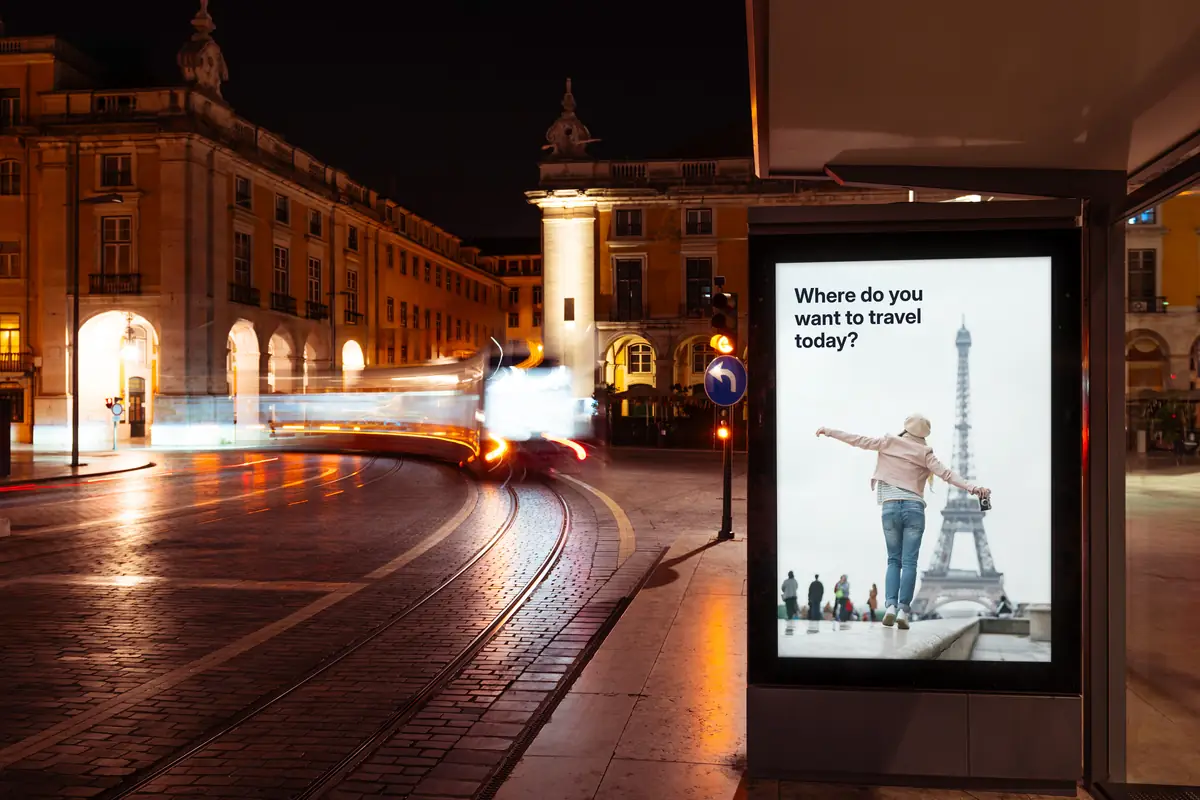
Digital screens and citylights
Street-level and in-station screens, measured per content slot.
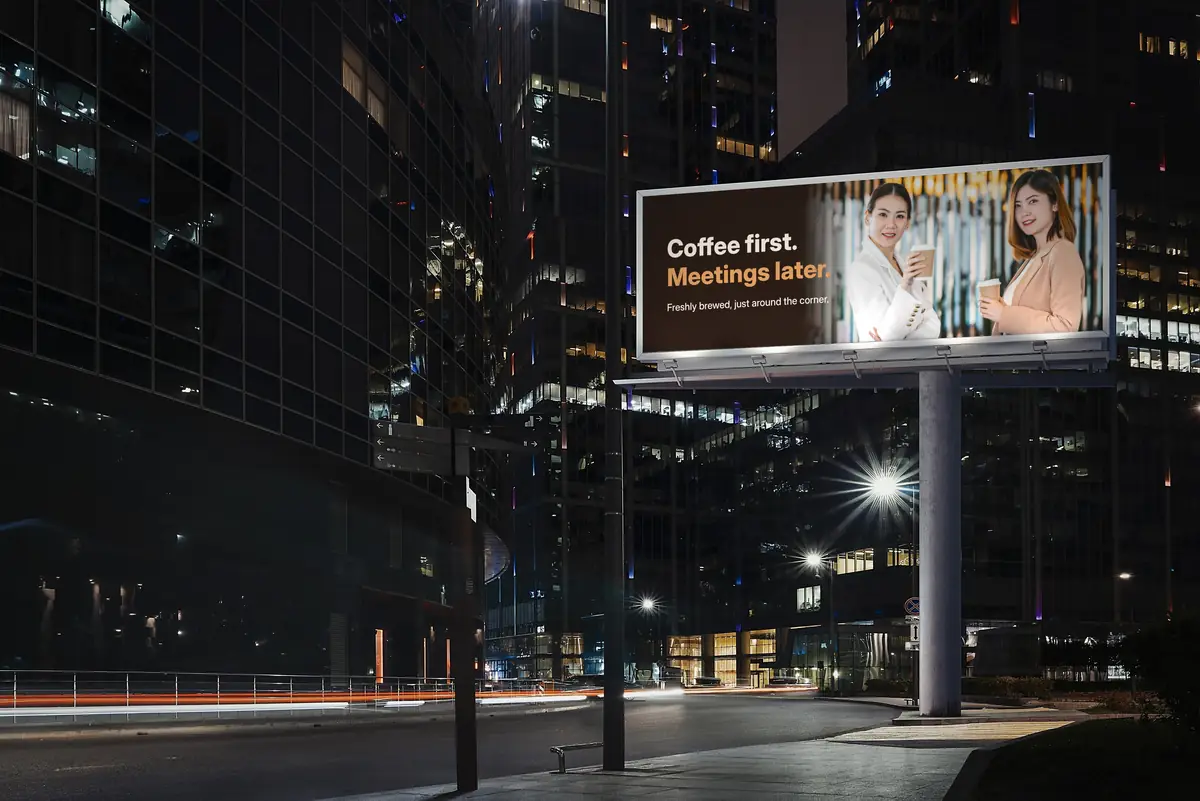
Static posters and billboards
A camera at the site measures passers-by and attention for classic formats too.
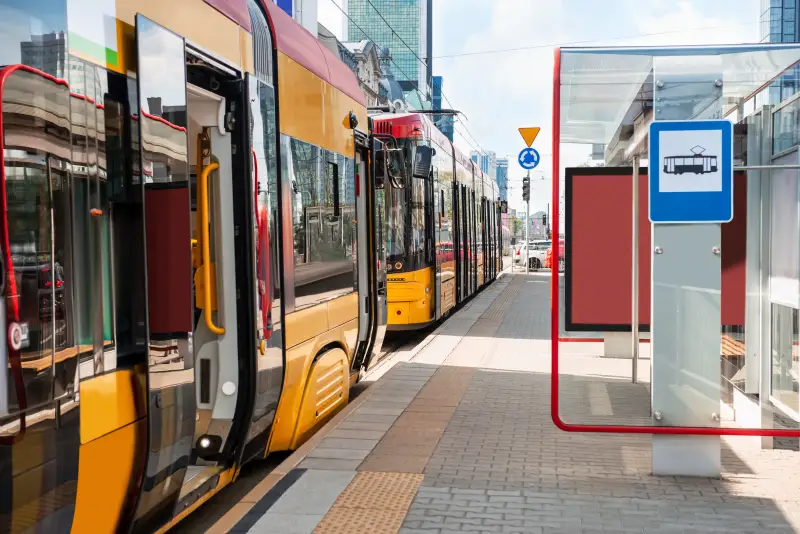
Transit stops and stations
Tram and bus stops, platforms, underpasses: high volumes, day and night.
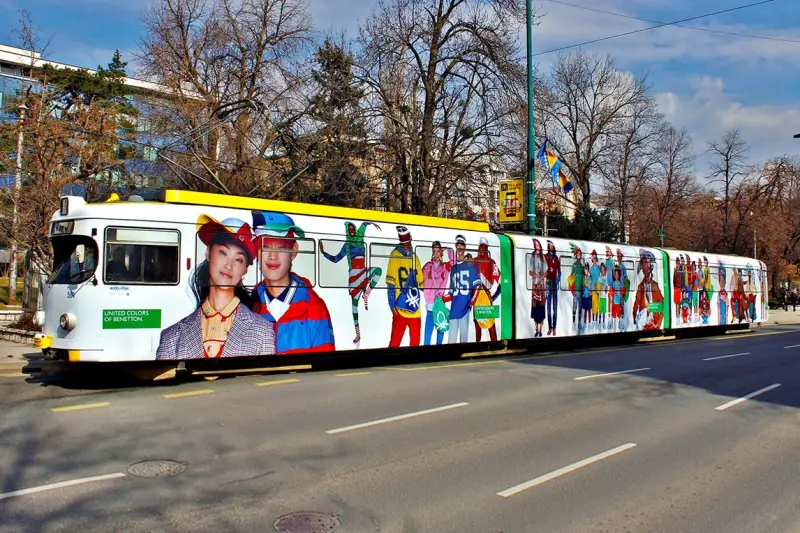
Buses, trams and trucks
Route-based measurement on moving vehicles (see below).
Transit & mobile →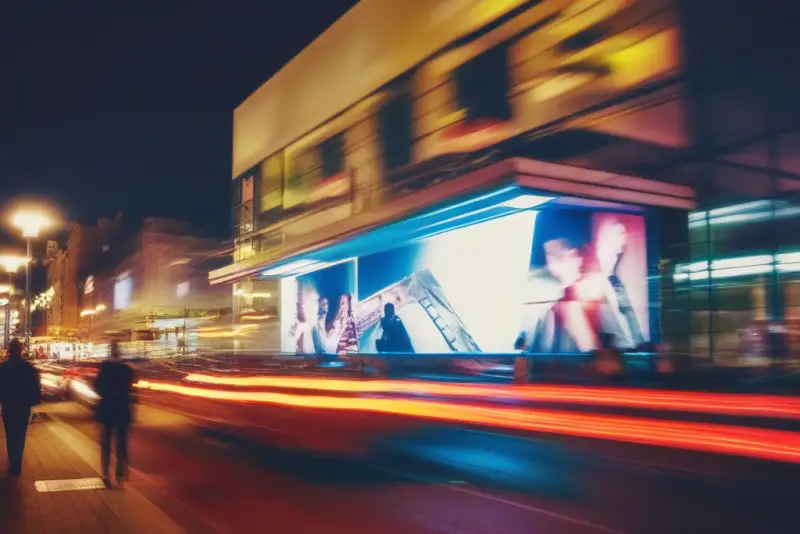
Roadside billboards
Vehicle traffic by type and direction, with the roadside audience.
Traffic & vehicle analytics →What we measure on site
All of it on anonymous, aggregated data — the device never recognises a face and never records an image. Privacy & compliance →
- Passers-by (footfall)
- Impressions (turned towards the site)
- Attention / reach (looked longer than a set threshold)
- Average dwell and watch time
- Age group and gender distribution, aggregated
- Direction of movement
- Hourly / daily breakdown, any date range
- Site-to-site comparison
- CSV export, API, webhook
What measured data does to your pricing
Verified inventory commands a premium.
The honest question every media owner asks: what if the measured audience is lower than the figure we have been selling? Sometimes it will be — and sometimes higher. The point is not the number, it is what you can do with it. Measured sites are inventory a buyer can verify, and verified inventory commands a premium: it can be sold per time slot, fed into programmatic platforms as real audience, and closed with a report instead of an estimate. The planning currency of your market stays what it is — we do not replace it. We add the site-level actual: what was measured on this site, in this hour. Together, the two make your sites easier to sell, not harder.
Audience measurement on moving vehicles
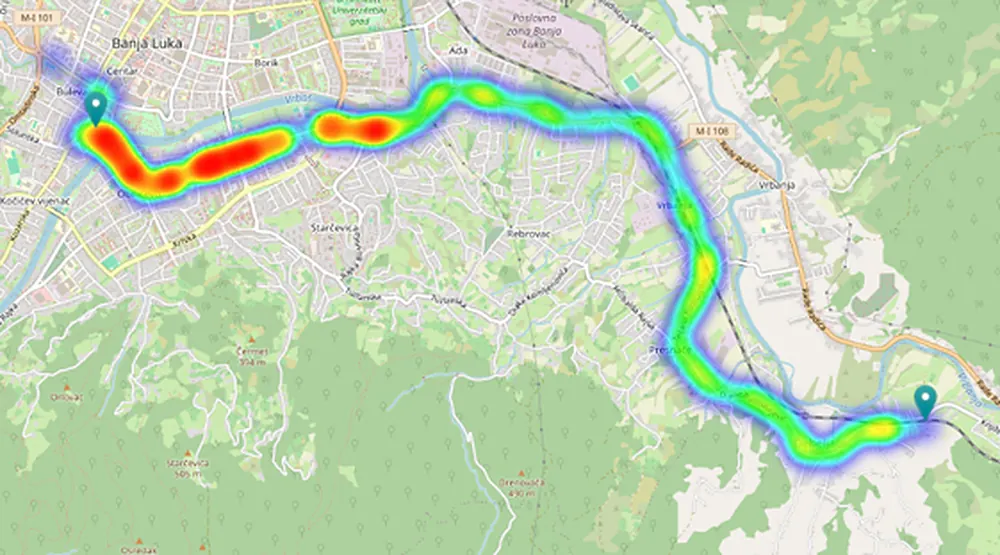
Transit advertising has been the hardest format to measure: the audience changes with every stop. RVC.DIGITAL's transportation module measures it route by route. The vehicle's existing IP camera measures how many people the vehicle passed and reached and their aggregated age and gender split — percentages only, nothing recorded — and a GPS unit maps where.
Route KPIs
Pass-bys, unique reach, frequency and impressions per route and per campaign.
GPS heatmap
Where along the route the audience was densest; by day and time.
Campaign report
A PDF per campaign for the advertiser: period, routes, reach, audience mix.
Real audience, in real time, to your platforms
Measured audience is available as it happens: through a webhook or API it feeds your CMS, your SSP or your reporting stack. Digital screens can react to it — a content rule that follows the audience mix of the current time slot, not a single passer-by — and programmatic deals can be priced on measured, not assumed, impressions. Integrations today: Telelogos Media4Display and Wallboard; any platform with an API can consume the same signal.
Built for the street
Small device, any camera.
A mini PC with a USB camera, or your existing RTSP camera stream; lens options for near and far sites.
Its own connection.
Each device can run on its own 4G link — no dependency on the site's network.
Day and night.
Continuous measurement across the full daily cycle, for a campaign or for good.
Linux, Windows or Android.
From a full-featured Linux device to an entry-level Android player inside the screen.
Built by a software company, adapted to your network
RVC.DIGITAL is a product, not a project — but it was built by a team that has written enterprise software for 25 years. Weather-dependent reach, a vehicle-brand breakdown for a roadside site, your own report format for advertisers, a feed into your sales system — custom metrics and integrations are built into your deployment. Tell us what you need to measure.
Passers-by are counted, never identified
Proof from real sites
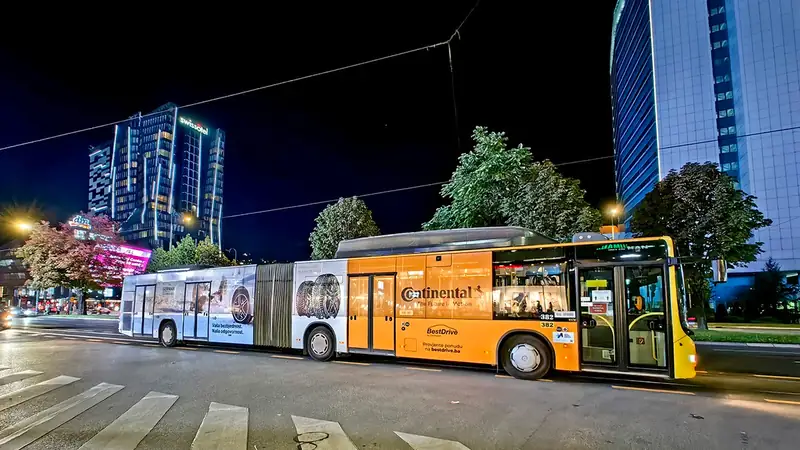
Bus advertising, measured route by route in Banja Luka
A brand campaign on a city bus line, measured for its whole run: how many people each route passed and reached, how often, the age and gender mix, and a GPS heatmap of where the audience was.
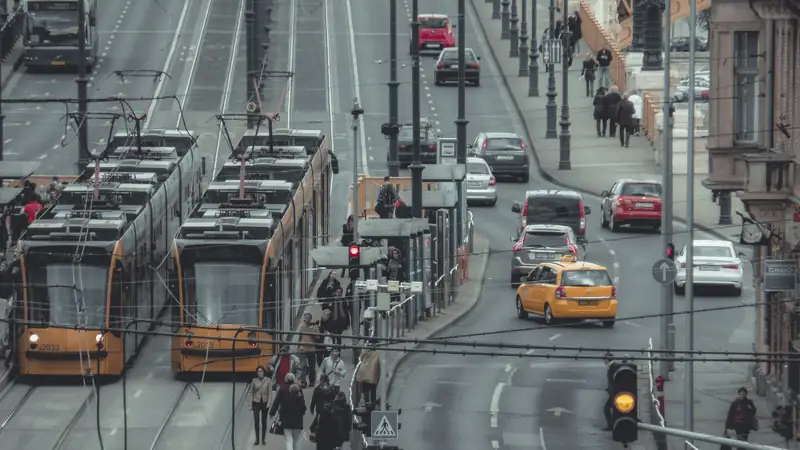
Campaign measurement at Budapest's busiest tram stops
One-month campaign measurements on citylights where pedestrian volume can exceed tens of thousands a day.
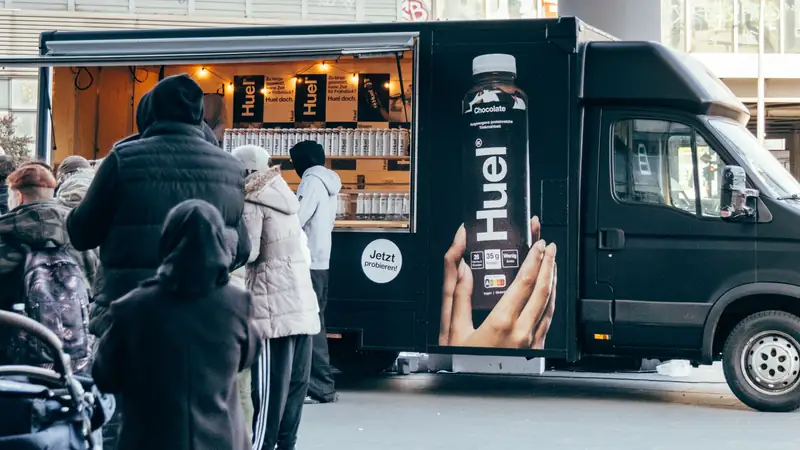
A three-day street activation
Huel roadshow with Echo Poster: samples, reactions and attention measured over 3 days with anonymous video analytics.
Start with a pilot, not a contract
A pilot runs on one to five sites for two to four weeks — a citylight, a stop, a billboard or a bus. We agree the sites and camera placement, install pre-configured devices, and close with a report: audience per site and hour, attention, audience mix. You decide what comes next.